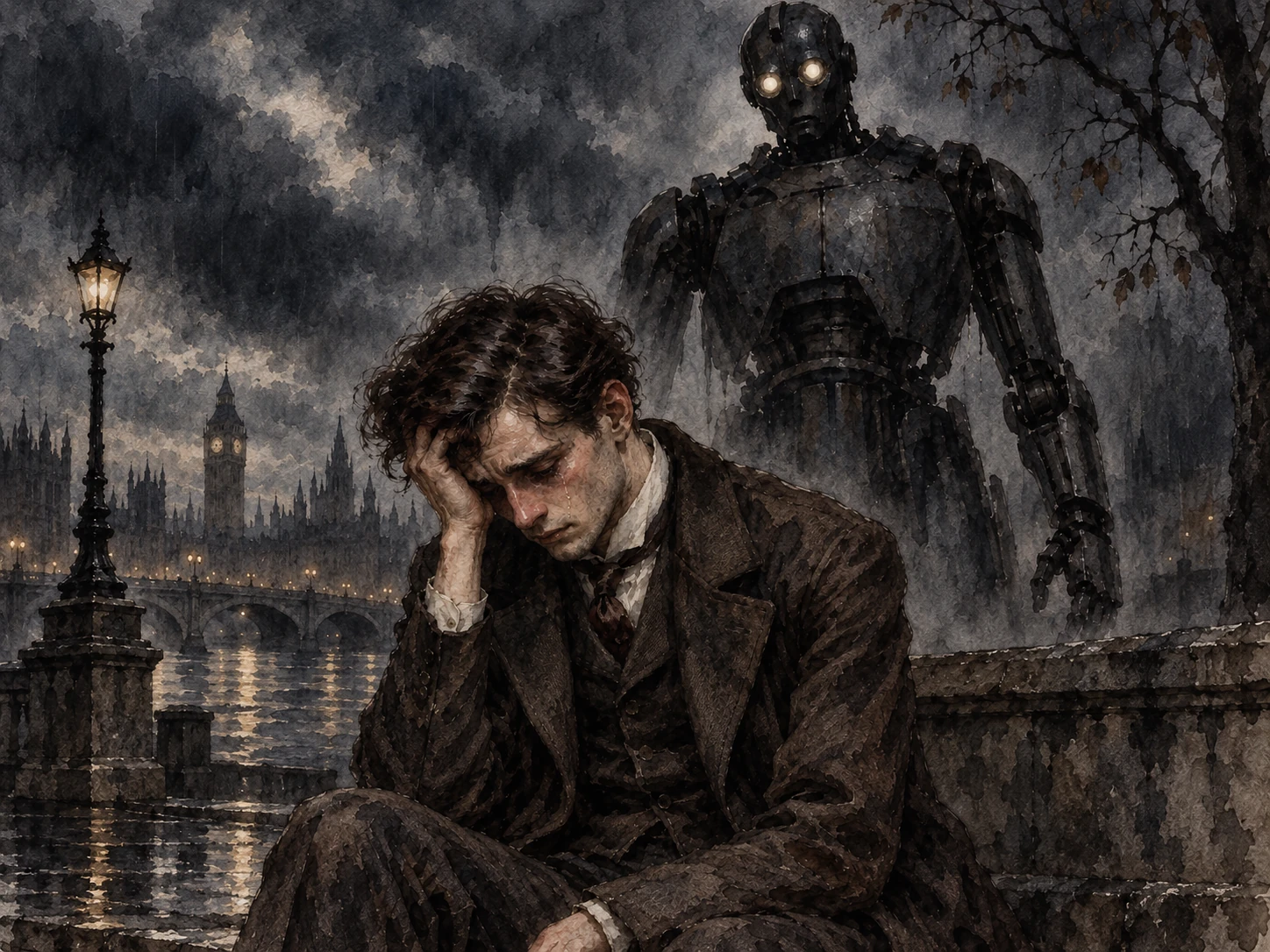
The walls are crumbling
An idea for an illustration did not come bundled with the ability to draw. Wanting a website did not mean you knew how to build one. For a long time, you had limited options at your disposal. You could either learn the skill or pay someone who already had it. Otherwise, you had to settle for something close enough or just give up on the idea.
The advent of AI has graced us with a new path. You can describe a scene and generate a quick illustration, or put together a basic website without first spending months learning web development. You can try an idea, ask for changes, and try again in the same sitting. Iterations are faster when you are not waiting for someone to get back to you. There are no conflicting schedules or timezones to work around. It can be much cheaper than commissioning the work, with no need to find someone to hire or get a quote.
Sometimes the result might not be the best. Given the current state of AI, you might still need an expert to maintain a large or long-running project. But for a person who just needs something usable or is just getting started, this is a considerable improvement over having nothing at all.
More people are using AI to create artwork for their projects, put together promotional material, build websites for their businesses, or just have fun. Others are using it to turn ideas they had been sitting on into prototypes they can actually try. It truly is a sign of technological advancement and the empowerment of the common folk.
Apparently, it is also a catastrophe.
The fear of becoming optional
People have been coming out in droves against AI. They accuse it of devaluing skilled work, replacing creativity with imitation, and threatening entire professions. The first line of attack is often the quality of the work itself, or the claim that it “lacks soul”. When that argument fails to land, the objections shift to water and energy consumption, hardware shortages, and environmental concerns.
Even the use of AI can be enough to have a piece of work dismissed, regardless of the result. Clair Obscur: Expedition 33 was showered with praise and won nine trophies at The Game Awards 2025, including Game of the Year. Yet renewed attention to its use of AI-generated placeholder textures sent parts of the internet into a meltdown, even though Sandfall said those textures had been replaced within five days of launch.
I believe most of the fear mongering around AI comes from the loss of exclusivity. A task that once required your involvement can now be completed without you. Perhaps less elegantly, perhaps with more mistakes, but well enough for the person doing it.
A familiar response is to tell people to “just do it yourself.” Pick up a pencil. Learn to code. Put in the hours like everyone else. The shortcut itself becomes the offence, as though the result only counts if you have gone through the approved amount of struggle.
The person making a birthday invitation did not sign up to become an illustrator. The owner of a small cafe might only want a page with an address, a menu, and a phone number. They are trying to solve their own problems. Their project is not an entrance examination for your profession. Nor do they need your seal of approval.
That is an uncomfortable change when you have spent years becoming good at something. The effort was real. But so was the advantage it gave you. Watching someone skip a substantial part of that process and still get a result they are happy with is bound to sting.
We’ve been here before
Templates, stock images, and website builders have been lowering these barriers for years. They have faced resistance too. Templates and automated website builders raised concerns about websites looking the same and losing their originality. The charge was that a polished result could still be impersonal, repetitive, and short on original thought.
Sure, reusing a layout might not be the best way to present your content, and a photograph of smiling strangers might tell the reader nothing. But taking a “shortcut” does not automatically make the result bad. Someone who needs a working website is not necessarily looking to revolutionise web design.
A much older argument
The conflict goes back much further than website builders or stock images. In England, the Luddite disturbances began in 1811. Textile workers destroyed machinery amid disputes over wages, working conditions, and the replacement of skilled labour. The National Archives documents both wage reductions in Nottinghamshire and opposition to machinery causing unemployment in Yorkshire. You can read about those here (I wish my handwriting were half as good as theirs).
The workers were merely trying to safeguard their livelihoods. But the very same machinery that threatened their jobs could also make goods cheaper and more widely available. Over time, technological progress has helped raise living standards and create new kinds of work. By destroying machinery in an attempt to protect their trade, they were also obstructing changes that could benefit people far beyond it.
Moreover, their expertise could have helped them adapt to the new machinery faster than someone entering the trade from scratch. Instead, they spent time resisting it while newcomers learned to put it to work. By fighting to preserve their position, they left an opening for people with less experience but more willingness to embrace the opportunity.
Photography offers an even closer parallel to the argument over art. In his Salon de 1859, Charles Baudelaire described photography as a refuge for painters who lacked the talent or diligence to finish their studies. He argued that photography should serve the arts and sciences, and warned against allowing it to take the place of art.
The contempt for people taking an “easier” route seems deeply rooted in history.
Change is inevitable
Times are changing, and as technology advances, society changes along with it. The tools people use, the skills they need, and the work they are willing to pay for do not stay fixed. Expecting the rest of the world to preserve an arrangement that suits one profession is wishful thinking.
The best way forward is to change with the times and keep learning. That means trying unfamiliar tools, developing new skills, and being willing to rethink how the work gets done. Expertise should make that process easier. It should not become an excuse to stop learning.
While some argue about whether a new tool should exist, others are learning how to use it. Refusing to participate does not stop the change; it just gives someone else a head start.
Closing thoughts
I do not think society should have to keep useful tools out of reach to appease those unwilling to change. Those clinging to the status quo just to preserve their advantage will inevitably earn the ire of the common folk and become relics of the past.
Get with the times, or get left behind.